Viewing entries in
Notes and Opinions

Comment

A World Of My Creation

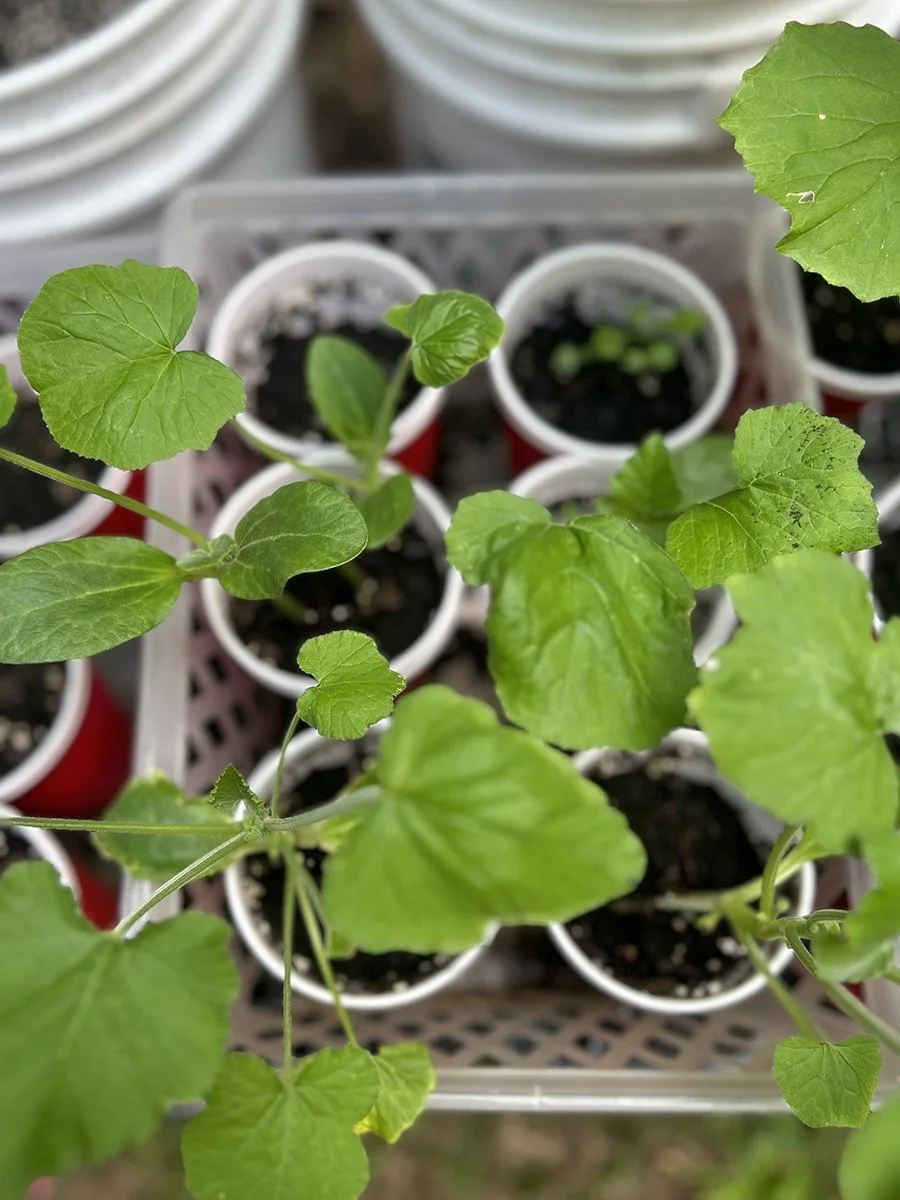
New batch of zucchini plants.

I recently texted a friend: Gardening is so emotional. 
She replied: Yes it is. And so microcosmic. 

Gardening has become so pervasive in my life. I am enjoying the way it requires me to show up, pay close attention to something, and care for it in simple, small ways.

And “microcosmic” is such a great word. I looked it up. “A small place, or situation that has the same characteristics of something larger. A little world.” The wealth of ways gardening principles relate to the world at large blows my mind. 

One of the many things it has me thinking about is this: the level of discomfort I experience with the power I have in this “little world” - my 20 bucket backyard universe. 

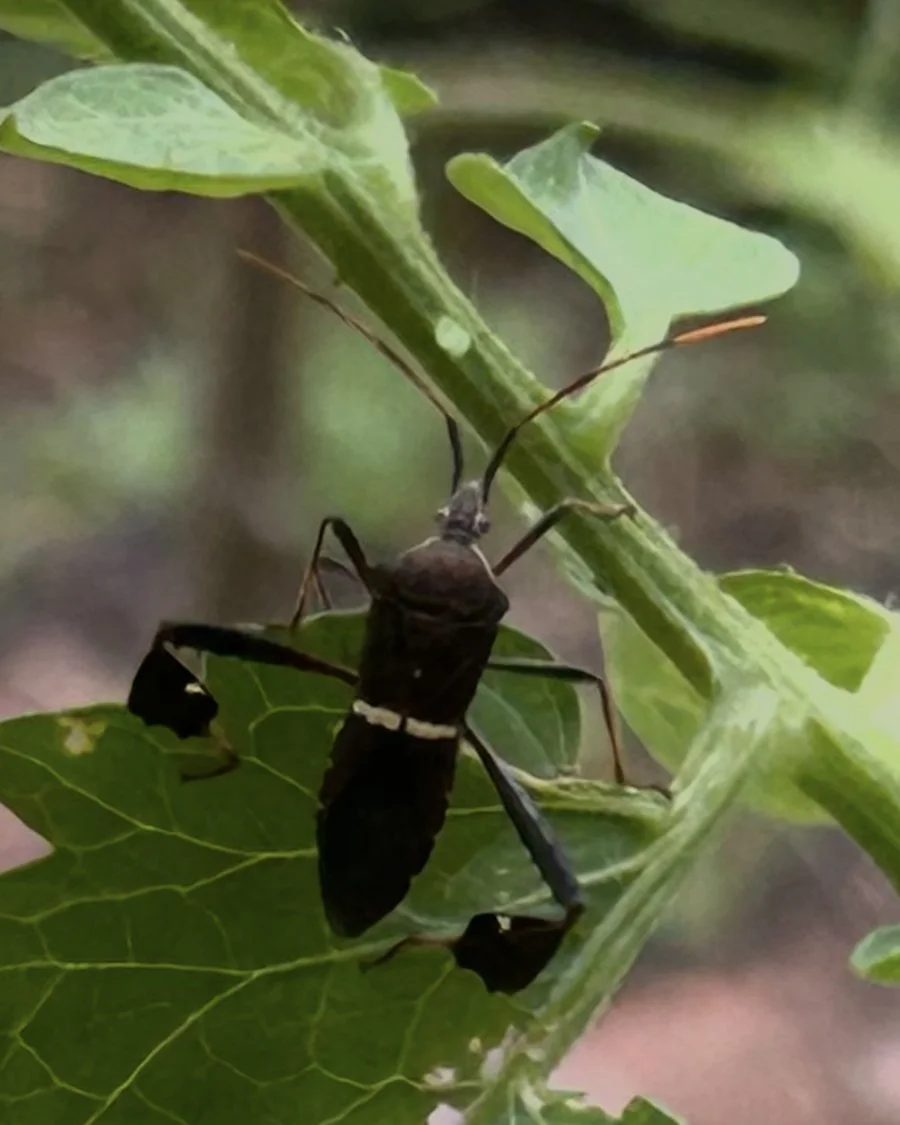
One of the first things I planted was cucumbers. As they matured, I started noticing squash bugs but never really did anything about them. I also planted tomatoes. While the cucumbers grew fast, my tomatoes absolutely took 3 months to start producing fruit. Now that the fruit is coming, I’m finding leaf-footed bugs all over my tomato crop.

I tried to leave these angry-looking warriors alone, but I can see how they’re damaging my crop. I went to YouTube to see how to eradicate, or at least, manage this problem. 

The answer involves knocking them into a bucket of soapy water. This is particularly effective early in the morning. 

So this morning, I did. I put a few drops of dish soap in a cup of water and used the stream from a spray bottle to knock them in. The soap breaks the surface tension of the water, making it harder for them to escape, and they effectively drown. So there I am — in my garden, looking to drown some bugs.

“YES, THEY DESERVED TO DIE — AND I HOPE THEY BURN IN HELL!”

If you hate bugs, that might seem like whatever, but drowning is probably my worst, or second worst, fear of ways to die. I imagine it to be quite painful. I also believe that outside belongs to the bugs, and whatever is growing outside is fair game as food. So who am I to provide food in these creatures’ home, and then come to drown them when they partake?

While looking for nature’s solution to the problems it gives me, I also looked up the natural predators that target the pests in question. “Good” things I have seen in my garden are bees (pollinators), tiny frogs, and spiders. I recently looked up, “How do I attract spiders into my garden?” And when I asked this question, I realized in the back of my mind, I am literally playing God in this universe. Deciding what life forms are welcome, which ones must die, and which ones I’ve developed a fondness for because I appreciate their work.

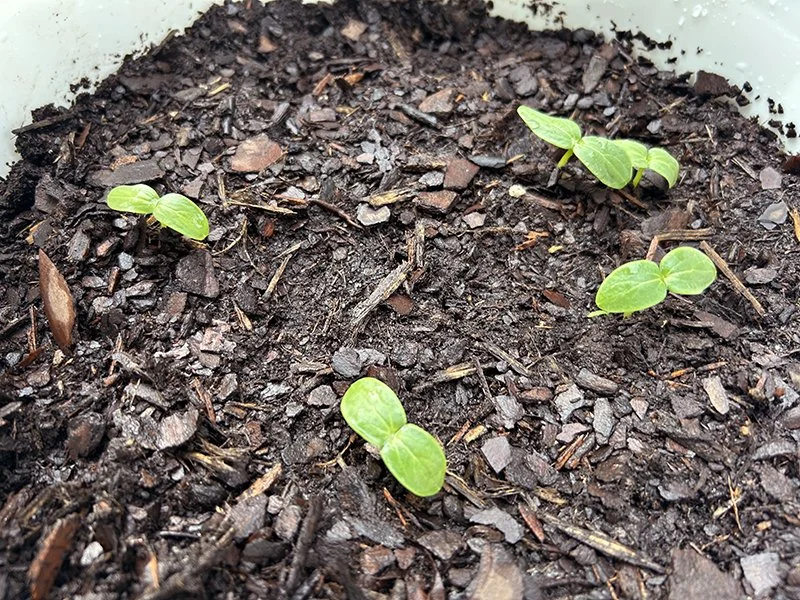
There are other God-like decisions I have to make (which also have lessons inside them), such as pruning (selectively removing unwanted parts of a plant due to being damaged, diseased, non-productive, or structurally unsound), overseeding (planting too many seeds because you don’t know what will germinate), and then thinning (selectively removing weaker or smaller plants, to improve the growth of stronger, larger plants). There are so many decisions about where life can exist, and how I will care for it, while I’m also making decisions about what things will no longer live, or are no longer welcome in my little world, because they don’t serve my purpose. 

It makes me uncomfortable. When I have three small zucchini plants, and I have to pull one because it’s small and I don’t have enough containers to sustain all of the zucchini that germinated, I feel like some horrific despot, ripping the underdog from its environment. As an aside, I have given away plants – and I like that option, but it’s not always the most practical thing.

In deep diving into these feelings, I realize that when I decided to plant a garden, I created an ecosystem—and put myself in the uncomfortable position of managing it. It’s not that I’m the God of a Little World. I don’t have absolute control. My authority consists mainly of choosing what I will encourage or discourage, remove or protect, and where I will repeatedly direct my attention to help my little world thrive.

And that is a weird (oops – that useless word) unsettling experience of power. But it’s also a powerful life lesson. The microcosm of gardening is helping me appreciate both the possibility and responsibility of curating my life with ruthless intentionality: being deliberate about what I am planting, what I fertilize and give space, what I allow to reproduce, what I’m willing to prune, and what I’m no longer willing to feed. I don’t have control over everything. But I have the power to be intentional about everything.

Comment

Comment

Rehearse The Life You Want

“There’s a version of the life you want that you can live today.” - Me

I often get stuck focusing on what I don’t have.

My dream is to have several acres of land, a small farm, a huge studio, and a tiny home. But today, I don’t even have a backyard. I’ve watched videos about growing plants in buckets for years, but I never actually started.

Last Sunday, while talking with my brother about gratitude, I said: “There’s a version of the life I want that I can have today.” I realized that out of all the people I know, surely someone would let me set up a small table in their yard where I can start a small garden.

That day, I committed to finding a home for my garden, and within 24 hours, I found one. I spent $29.24 on a 5-gallon bucket, two bags of soil, and seeds for tomatoes and cucumbers. On Tuesday, I planted my seeds, and Wednesday I brought my setup to QC Family Tree, where I’ll visit and care for them regularly.

Each week, I plan to add two more buckets and more soil, with the goal of growing the garden to eight buckets.

Test drive your dreams.
What’s a life you aspire to — and what’s a version of it you can live today?

Comment

But Is It Gratitude Though?

A thought:

There’s a common practice you’ve likely heard: ‘Every morning, say/write down 5 things you’re grateful for’. I agree that reminding yourself what you’re grateful for is a worthwhile practice.

But as I’m processing some things lacking about my life, I’m realizing gratitude isn’t just acknowledging what you have, or the ways you’re fortunate. It’s really about living a life that shows that you value what you have, or the ways you’re fortunate.
Nourishing your relationships. Maintaining your possessions. Leveraging your resources. Taking care of your health.
If your actions don’t reflect care, good management, and treating what you have like it matters, then the feeling of gratitude might be incomplete. And I’ll finding myself wondering why I don’t have the things I need.

Because I do believe this.

Comment

Anonymity Becomes Responsibility

Thinking on a small fraction of the people who will never give me a first or second thought. And it feels so good.

Whenever I’m in an airport, I’m overwhelmed by the number of people moving through a space, all just trying to get where they’re going. There are so many people together, yet no real sense of togetherness, community, or neighborliness. We’re only here because this is the system that best gets us where we need to go.

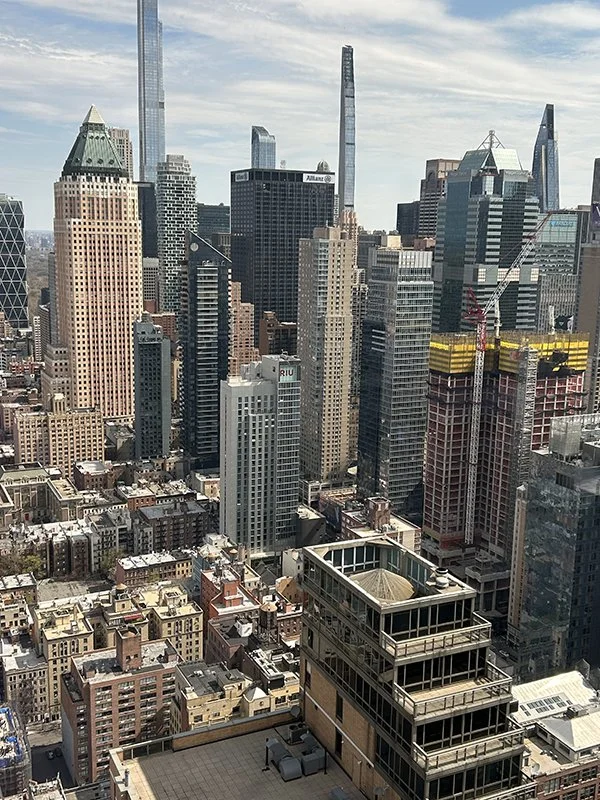
My trip to New York City gave me that same feeling. Moving through the busy streets and subways of Manhattan, it’s just a mass of people moving quickly toward their destinations. People say New Yorkers aren’t friendly, but I don’t think that’s true at all. It’s just a lot of people who aren’t trying to be here—they’re trying to get somewhere else. And when everyone’s on a different mission, people are either quietly helping you along, or getting in your way—and there’s no time to stop and engage with everyone you pass.

It also makes me think about just how many people are on this planet. As I walk down the street, surrounded by thousands of people, none of them are thinking about me—and the chances that will change are low. That’s not a bad thing. Instead of feeling lonely or insignificant, I see it as freedom. It reminds me that anything I choose to do, I have to do because I want to. And I should do it as well as I possibly can. Because if I’m going to do something no one asked for, why would I half-ass it?

I might as well use my whole ass.

Comment

Comment

More to Your Story Than You Think

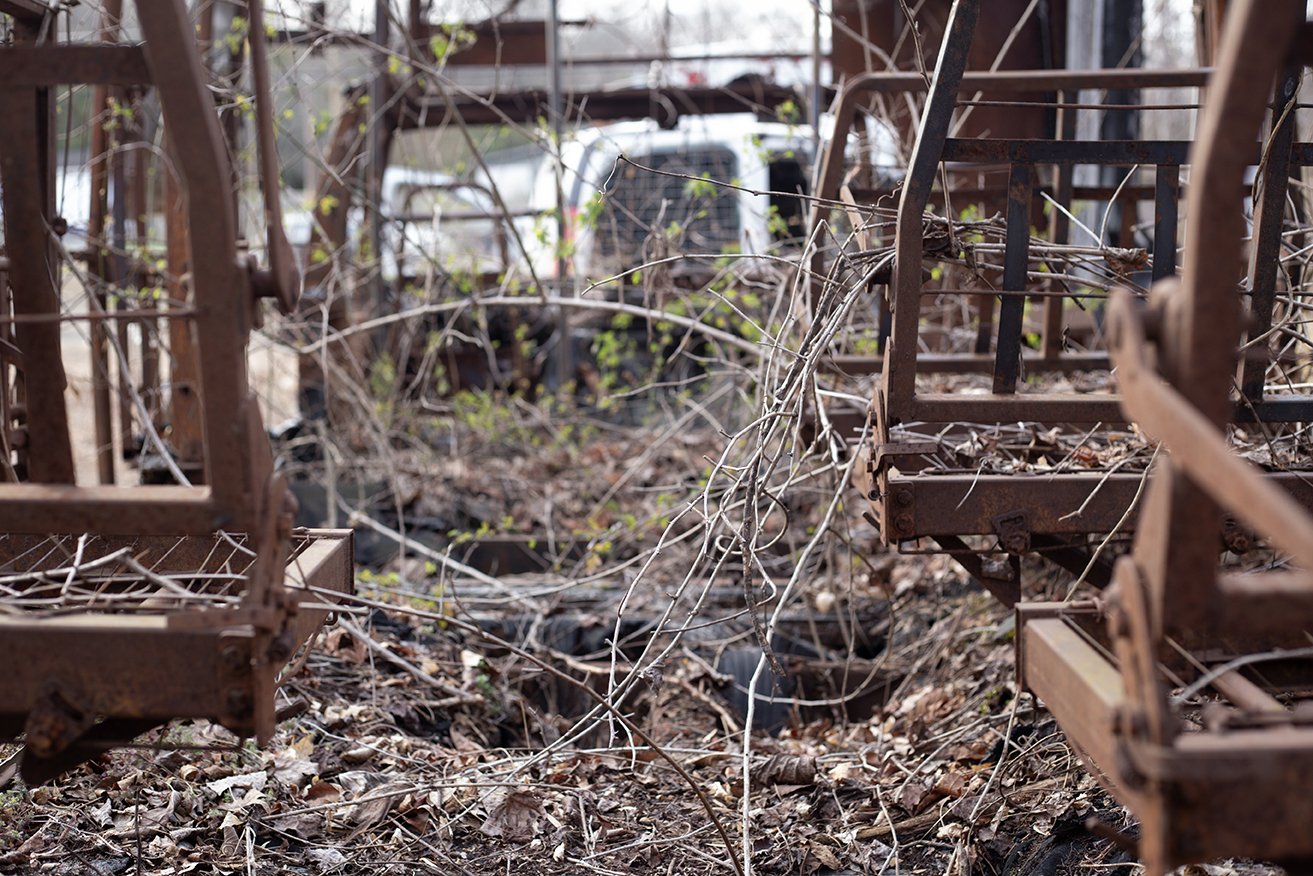
What I love about these types of images is that I know multiple stories are here.

When something spectacular happens—or maybe not even spectacular, maybe something horrible, something noteworthy—people get caught up in the moment, what happened. But we often completely miss the meaning of the moment: why it happened, or what it means in relation to the other events of our lives.

It’s unfortunate, because there’s really so much value in the story, and comparatively little in the moment. The moment passes, but the story goes on.

More Than The Moment

Human are hard-wired to engage the world through story. We use narrative to process information. Stories are more powerful than facts or events, because stories affect how we feel about facts and events.

When we watch shows, we don’t just watch the climactic moments—we want to see the story of how we got there. We’re willing to start from the beginning. What conflict or problem did that moment resolve?

Jokes consist of a setup and a punchline. Punchlines alone are rarely funny. The longer and more engaging the setup is, the funnier and more satisfying the punchline.

Sports fans don’t just check the final score—they watch the game. Which players made the outstanding plays, which plays were botched. Did the ref make a bad call? The score only matters because of how the game unfolded.

Though we tend to focus on outcomes, it’s really the process that holds the most meaning for us. Stories engage our brains more than facts, and allow us to see ourselves in the storyteller’s experience.

Nothing New

Something I’ve experienced many times—and maybe you have too—is running into someone I haven’t seen in years. I might see someone that I haven’t seen since 2018. We’ll ask that infamous question, “So what’s new with you?!” And both of us will respond with a sort of shrug and say, “same ol’” or “not much.”

That’s insane! That’s literally impossible!

We both lived through one of the most intense and disruptive periods in recent history. Our lives are drastically different. We are different. Eight years have passed.

But we’re so caught up in the day-to-day of our lives that everything feels mundane. We’re not seeing—or able to share—the bigger picture. And we mistakenly believe we don’t have an interesting story to tell. The proper response would be “There’s so much to tell you! Let’s get together for lunch and catch up!”

You Have More Than One Story

You might think that you don’t have a story. I promise you do. You have many.

There’s a story of why you are drawn to the things you love. There’s a story of being an amateur, and what it looked like to show up repeatedly until doing a thing well became second-nature. There’s a story of lessons or frustrations that changed you, and of something unexpected shifting your life in a major way.

There’s a story of who you used to be, and why you are no longer that person. Maybe a story of being changed by a health scare, or losing someone close. Perhaps there’s a story of holding on to something for too long, and how it held you back.

There’s a story of navigating tough times with little support, and a story of finding community where you least expected it. Maybe your story tells how you created something for others by building something for yourself. There’s a story of one door closing unexpectedly—and the doors that opened because of it. Maybe your story is about growing up in an environment where you didn’t fit, or outgrowing one that you loved.

So many things have shaped who we’ve become and what we’ve accomplished. Can you see those stories?

Not Just Results

We tend to think it’s all about results—masterpieces, milestones, and major wins. You can see a moment in someone’s life—a job title, an achievemnt, a defining moment—and it might be impressive. But if you think a person is just the moment you’re seeing, then that moment has to carry everything.

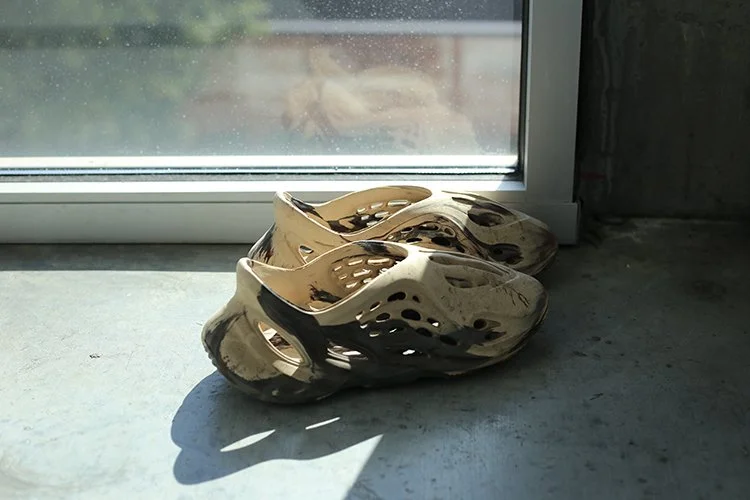
I’ve been saying a lot lately that you can’t ask one piece of art to say everything you need to say
— Ida Irby

What we often miss is that the story is where people get to enter our world.

I can see an amazing piece of art and be transformed by it. But it’s really the work people continue to make—and the story behind it—that allows me to connect. The story is where we enter. The story is where things resonate.

It’s always surprising when I’m reminded that the more specific you get, the more universal your story becomes.

It’s always surprising how people connect to things you never expected. When you share something specific, someone finds themselves in it. If I make art about growing up in New Jersey, someone might not connect to New Jersey itself, but to how I see it—maybe to something specific like the architecture. And suddenly, they start paying attention to the uniqueness of the architecture where they live.

Now my story has connected to theirs.

That’s how stories seem to work.

You may find you’re focusing on accomplishments and big moments, but as you live your life, you are living many stories at once. Take some time to honor your stories. Each day, you’re creating a path for people to connect with who you are and what you do—and a way for them to understand the value in how you show up.

Comment

Found #032626

The process was intentional. The result was completely accidental.
These are images I found looking through magazines after they were used for collage activity.