
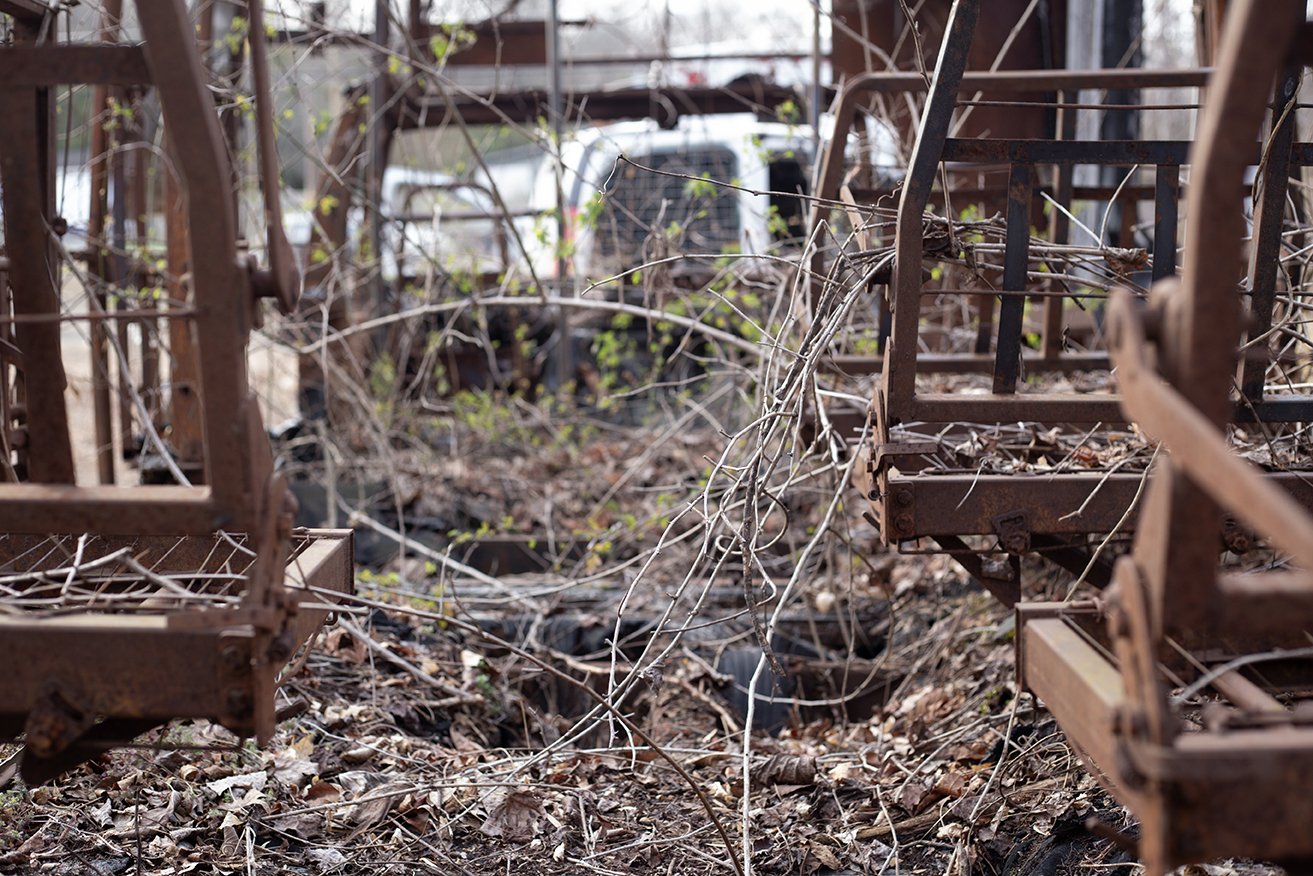
What I love about these types of images is that I know multiple stories are here.
When something spectacular happens—or maybe not even spectacular, maybe something horrible, something noteworthy—people get caught up in the moment, what happened. But we often completely miss the meaning of the moment: why it happened, or what it means in relation to the other events of our lives.
It’s unfortunate, because there’s really so much value in the story, and comparatively little in the moment. The moment passes, but the story goes on.
More Than The Moment
Human are hard-wired to engage the world through story. We use narrative to process information. Stories are more powerful than facts or events, because stories affect how we feel about facts and events.
When we watch shows, we don’t just watch the climactic moments—we want to see the story of how we got there. We’re willing to start from the beginning. What conflict or problem did that moment resolve?
Jokes consist of a setup and a punchline. Punchlines alone are rarely funny. The longer and more engaging the setup is, the funnier and more satisfying the punchline.
Sports fans don’t just check the final score—they watch the game. Which players made the outstanding plays, which plays were botched. Did the ref make a bad call? The score only matters because of how the game unfolded.
Though we tend to focus on outcomes, it’s really the process that holds the most meaning for us. Stories engage our brains more than facts, and allow us to see ourselves in the storyteller’s experience.
Nothing New
Something I’ve experienced many times—and maybe you have too—is running into someone I haven’t seen in years. I might see someone that I haven’t seen since 2018. We’ll ask that infamous question, “So what’s new with you?!” And both of us will respond with a sort of shrug and say, “same ol’” or “not much.”
That’s insane! That’s literally impossible!
We both lived through one of the most intense and disruptive periods in recent history. Our lives are drastically different. We are different. Eight years have passed.
But we’re so caught up in the day-to-day of our lives that everything feels mundane. We’re not seeing—or able to share—the bigger picture. And we mistakenly believe we don’t have an interesting story to tell. The proper response would be “There’s so much to tell you! Let’s get together for lunch and catch up!”
You Have More Than One Story
You might think that you don’t have a story. I promise you do. You have many.
There’s a story of why you are drawn to the things you love. There’s a story of being an amateur, and what it looked like to show up repeatedly until doing a thing well became second-nature. There’s a story of lessons or frustrations that changed you, and of something unexpected shifting your life in a major way.
There’s a story of who you used to be, and why you are no longer that person. Maybe a story of being changed by a health scare, or losing someone close. Perhaps there’s a story of holding on to something for too long, and how it held you back.
There’s a story of navigating tough times with little support, and a story of finding community where you least expected it. Maybe your story tells how you created something for others by building something for yourself. There’s a story of one door closing unexpectedly—and the doors that opened because of it. Maybe your story is about growing up in an environment where you didn’t fit, or outgrowing one that you loved.
So many things have shaped who we’ve become and what we’ve accomplished. Can you see those stories?
Not Just Results
We tend to think it’s all about results—masterpieces, milestones, and major wins. You can see a moment in someone’s life—a job title, an achievemnt, a defining moment—and it might be impressive. But if you think a person is just the moment you’re seeing, then that moment has to carry everything.
“I’ve been saying a lot lately that you can’t ask one piece of art to say everything you need to say”
What we often miss is that the story is where people get to enter our world.
I can see an amazing piece of art and be transformed by it. But it’s really the work people continue to make—and the story behind it—that allows me to connect. The story is where we enter. The story is where things resonate.
It’s always surprising when I’m reminded that the more specific you get, the more universal your story becomes.
It’s always surprising how people connect to things you never expected. When you share something specific, someone finds themselves in it. If I make art about growing up in New Jersey, someone might not connect to New Jersey itself, but to how I see it—maybe to something specific like the architecture. And suddenly, they start paying attention to the uniqueness of the architecture where they live.
Now my story has connected to theirs.
That’s how stories seem to work.
You may find you’re focusing on accomplishments and big moments, but as you live your life, you are living many stories at once. Take some time to honor your stories. Each day, you’re creating a path for people to connect with who you are and what you do—and a way for them to understand the value in how you show up.