
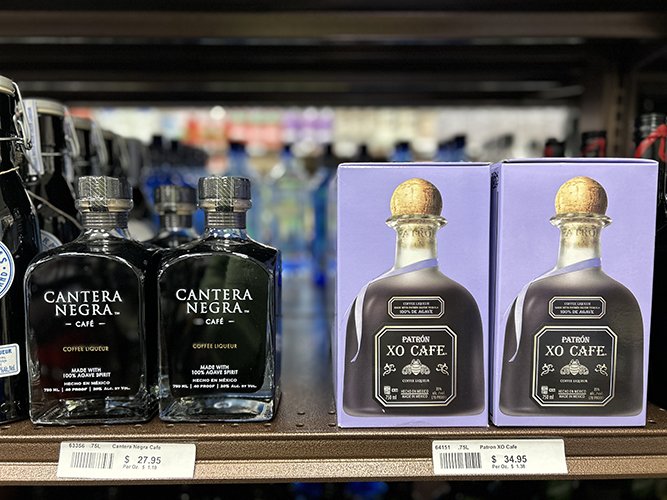
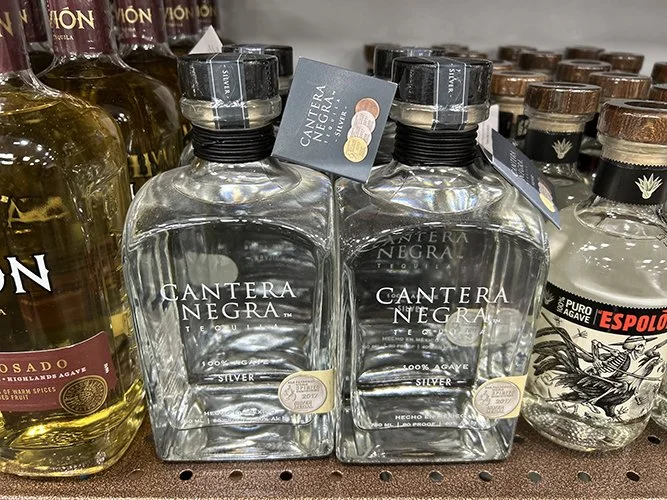
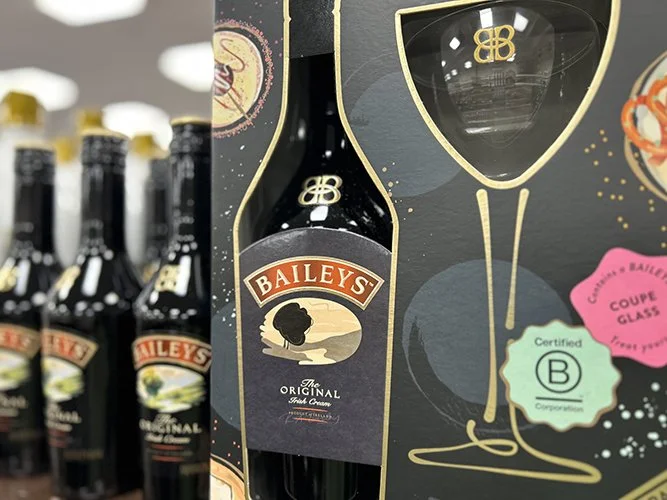
Lately I’ve been collecting empty liquor bottles for a side project I’m growing excited about. A friend shared a good spot for me to get bottles, and as I’ve been gathering them, I’ve found myself drawn to the shapes, styles, and craftsmanship of particular bottles. I’m finding some amazing bottles I’ve never seen before.
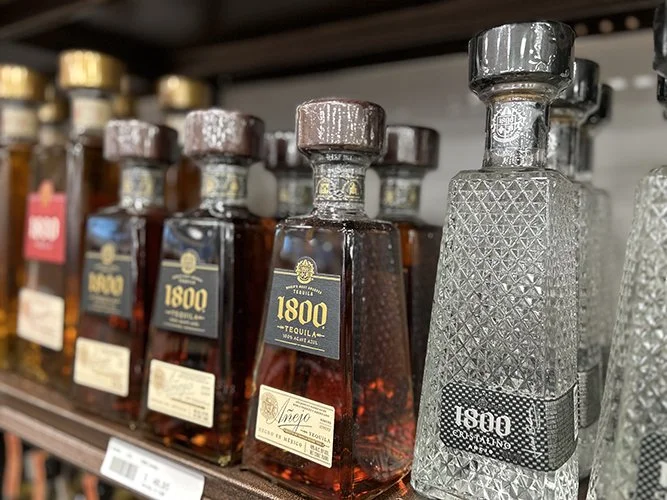
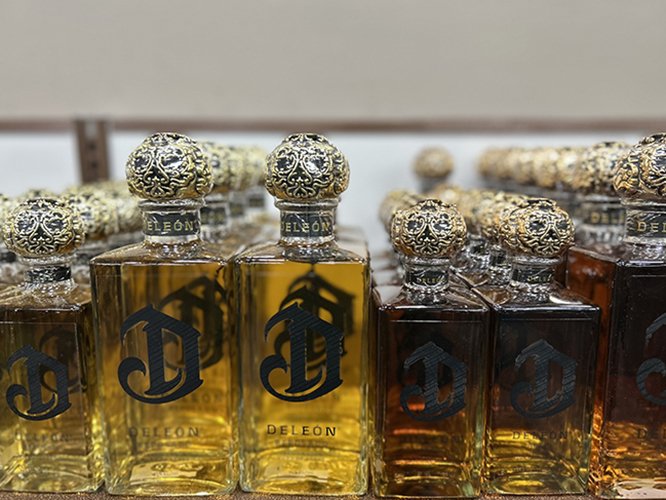
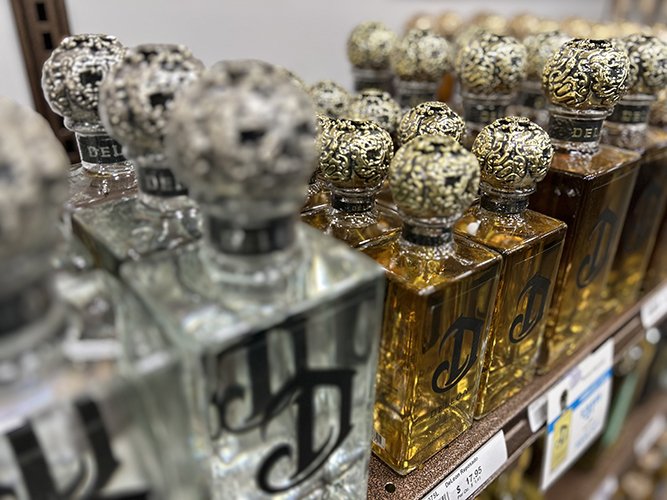
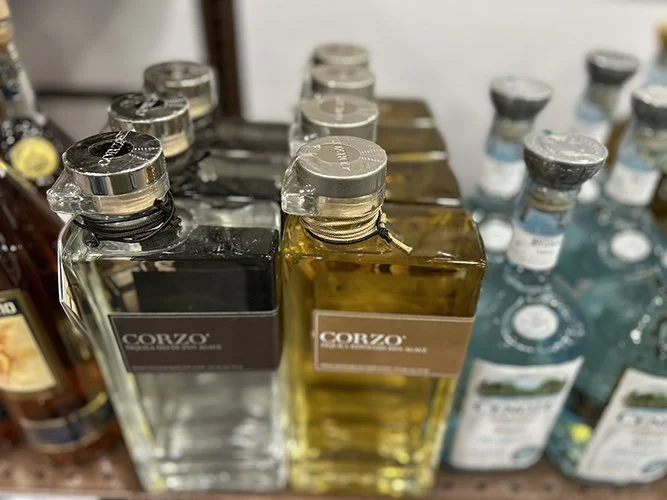
For this week’s artist date, I gave myself permission to visit a local Alcoholic Beverage Control [ABC] Store and simply appreciate the beauty and design of liquor bottles. The act of giving myself permission felt important. A huge part of courting my creativity is allowing myself to be in awe — to pay close attention to what’s around me and be appreciative of what’s available to me.
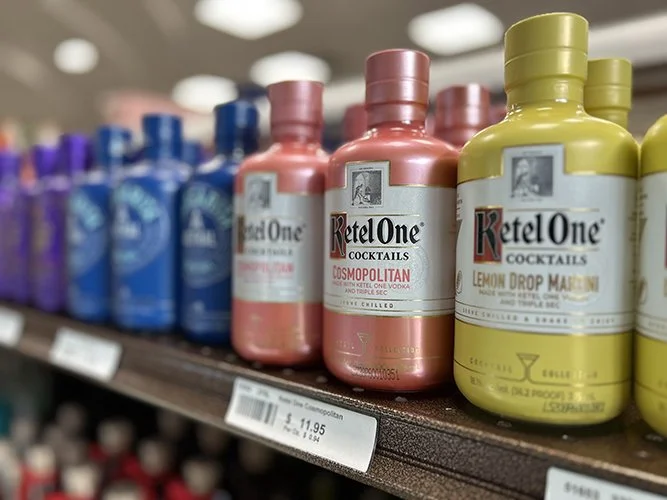
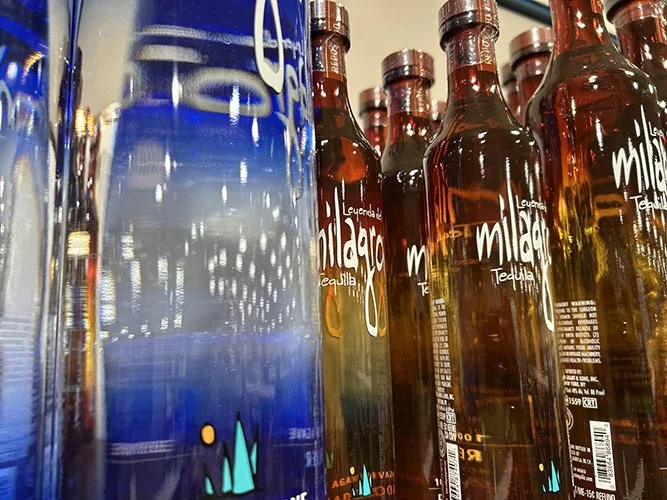
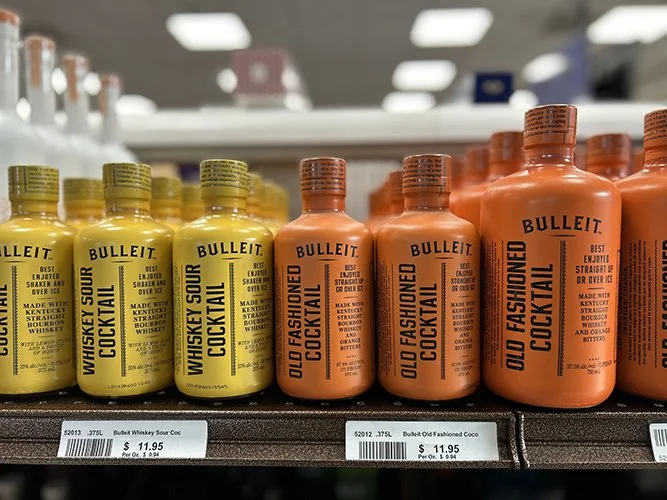
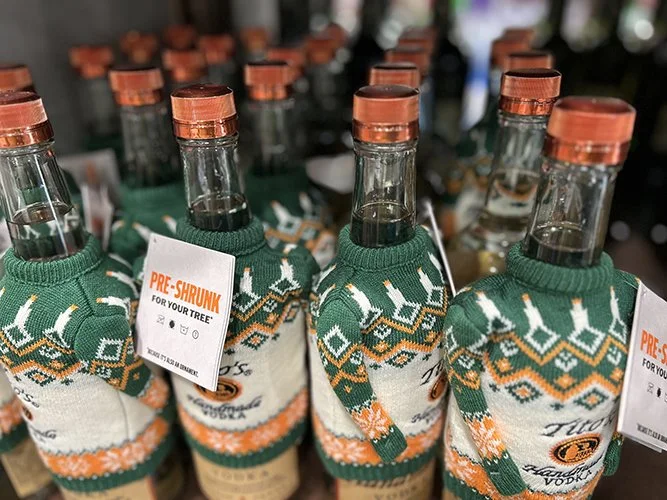
I went to an ABC store near Uptown. I’ve long appreciated ABC stores in Charlotte. Because alcohol sales are controlled in North Carolina, the stores feel less predatory to me. They aren’t clustered in low income neighborhoods. No matter where you are in the city, the experience is relatively consistent. The lighting may shift — brighter in some places, more dim in others — but the selection is largely the same. In more affluent neighborhoods, the more expensive brands may be more fully stocked, but overall the stores are neatly arranged, thoughtfully displayed, and filled with an impressive range of options.
Walking in, I felt slightly awkward being there for my purpose. I did buy something, but I wasn’t there to make a purchase. I was there to look — to study — to appreciate (and photograph) beautiful bottles. I’m never quite sure how to move through a space like that without feeling conspicuous. Explaining myself can feel overly artsy or strange. I imagine some people wondering what I’m doing. At one store, as I checked out, a worker said, “You were in here for an hour for that Forester’s.” It wasn’t an hour — but yes, I was taking my time. I was savoring the experience.
That comment felt like part of the larger lesson of the day.
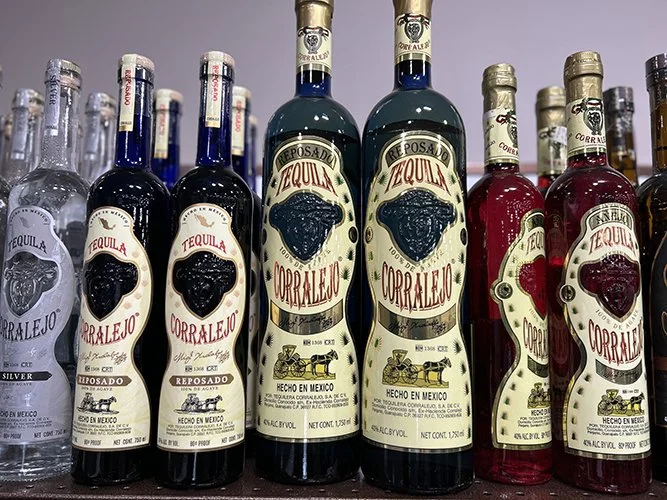
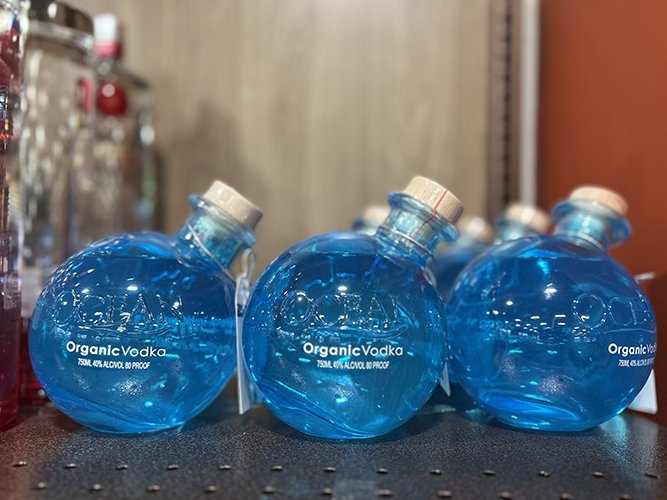

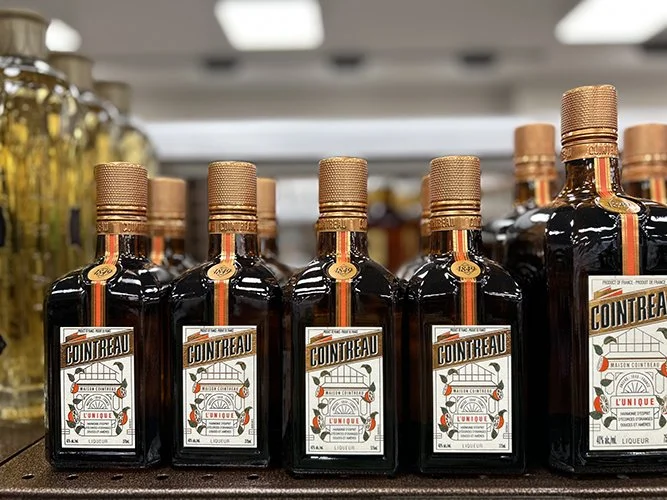
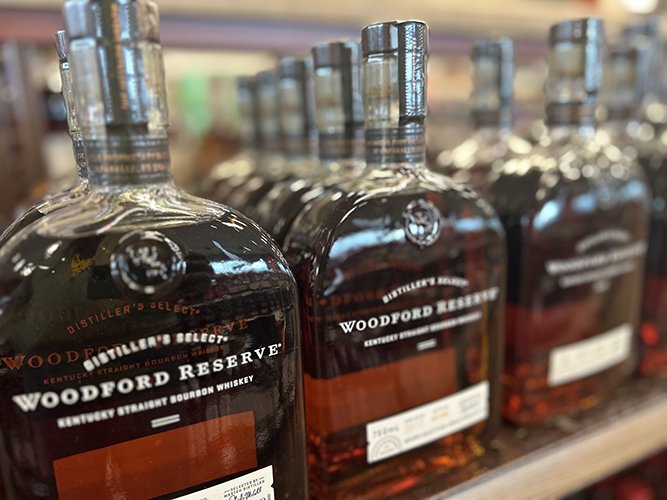
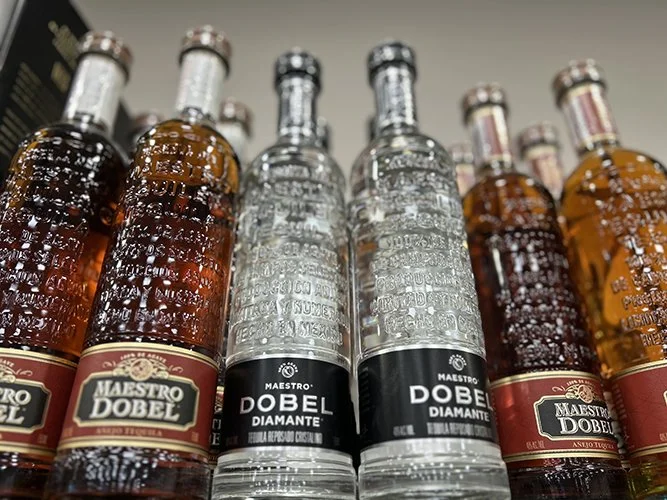
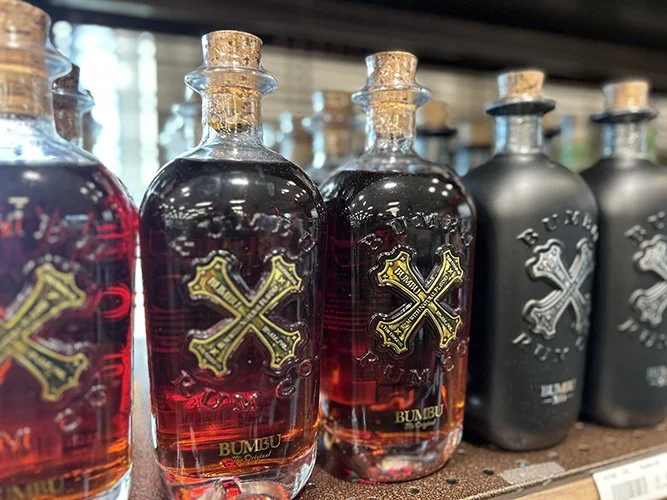
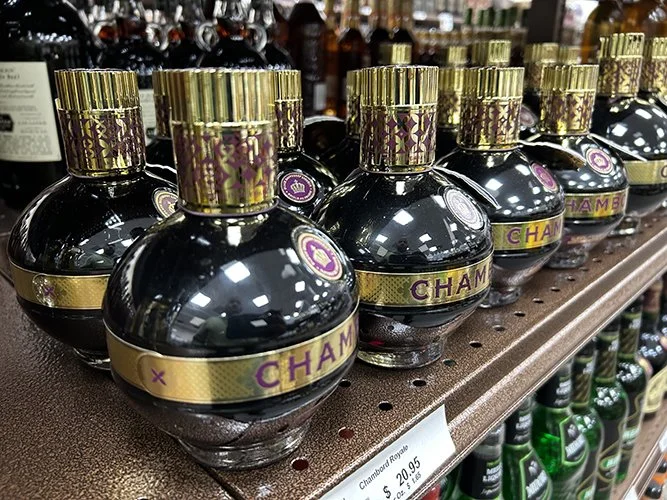
After I’d been in the store for a while, one of the employees told me I wasn’t allowed to take photos in the store. I don’t believe it’s a statewide policy — maybe for the store. I didn’t argue. I kept walking the aisles and jotted down the names of brands with bottles I liked. After making my purchase, I visited a few other locations to see if I could capture a few more pics, but I felt even more self-conscious, so I didn’t push it.
The experience stirred something in me. As a creative, it feels strange not to be able to document what inspires me in a public retail space. I don’t love the idea of having to operate in stealth to do something so harmless. It made me aware that I don’t yet know how to confidently position myself for something as simple as photographing bottles for a personal project I plan to write about. People can be surprisingly defensive about photographs. It seems silly when my intent is something so simple, but for someone who doesn’t know me, I understand their wariness.
It made me realize I want to get better at establishing credibility — at speaking to strangers in authority in a way that clearly communicates the legitimacy of my creative practice. I suspect one of my next artist dates will revolve around simply asking for permission to do something that feels slightly out of place.
As I wandered the aisles, I found myself especially fascinated by the variations within the same brands — how one distillery might offer multiple expressions, each distinguished primarily through packaging. It reminded me of an insight an artist once shared about presentation and value: in our culture, art on its own isn’t always highly valued, but art in packaging absolutely is. Design becomes the signal for quality. When you can’t immediately look at the product and tell which is higher-end, “premium” is communicated through craftsmanship — in the label, the glass, the typography, the form.
So many deliberate choices. So many beautiful bottles. I left with ideas about specific brands I’d like to collect more empties from — and how to source them more efficiently (if you’re a bartender in Charlotte, we should talk.)
Beyond simply admiring bottles, I found myself reflecting on how I present my own work — and how I present myself. What signals quality? What communicates intention? What quietly expresses value?
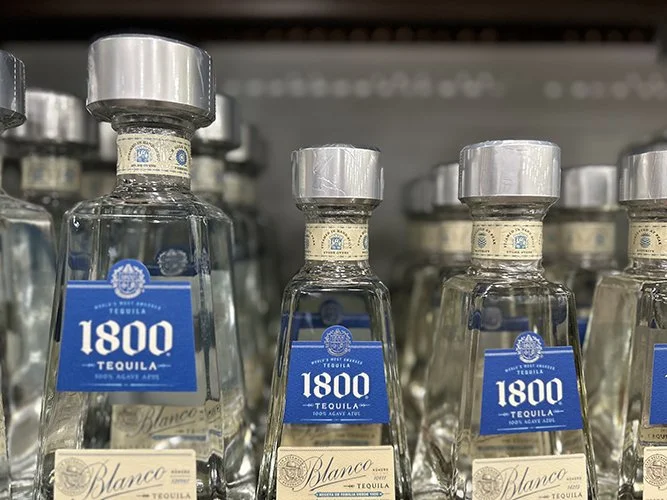
This is why I take artist dates.
They are my way of courting my creativity — of wooing my sense of wonder. Inspiration doesn’t always arrive dressed as a big idea. More often, it appears when I allow myself to see something discarded as special, when I let simple things be engaged more fully.
No audience.
No performance.
No productivity.
Just me, moving slowly through fluorescent-lit aisles, paying attention.
And for now, that’s enough.